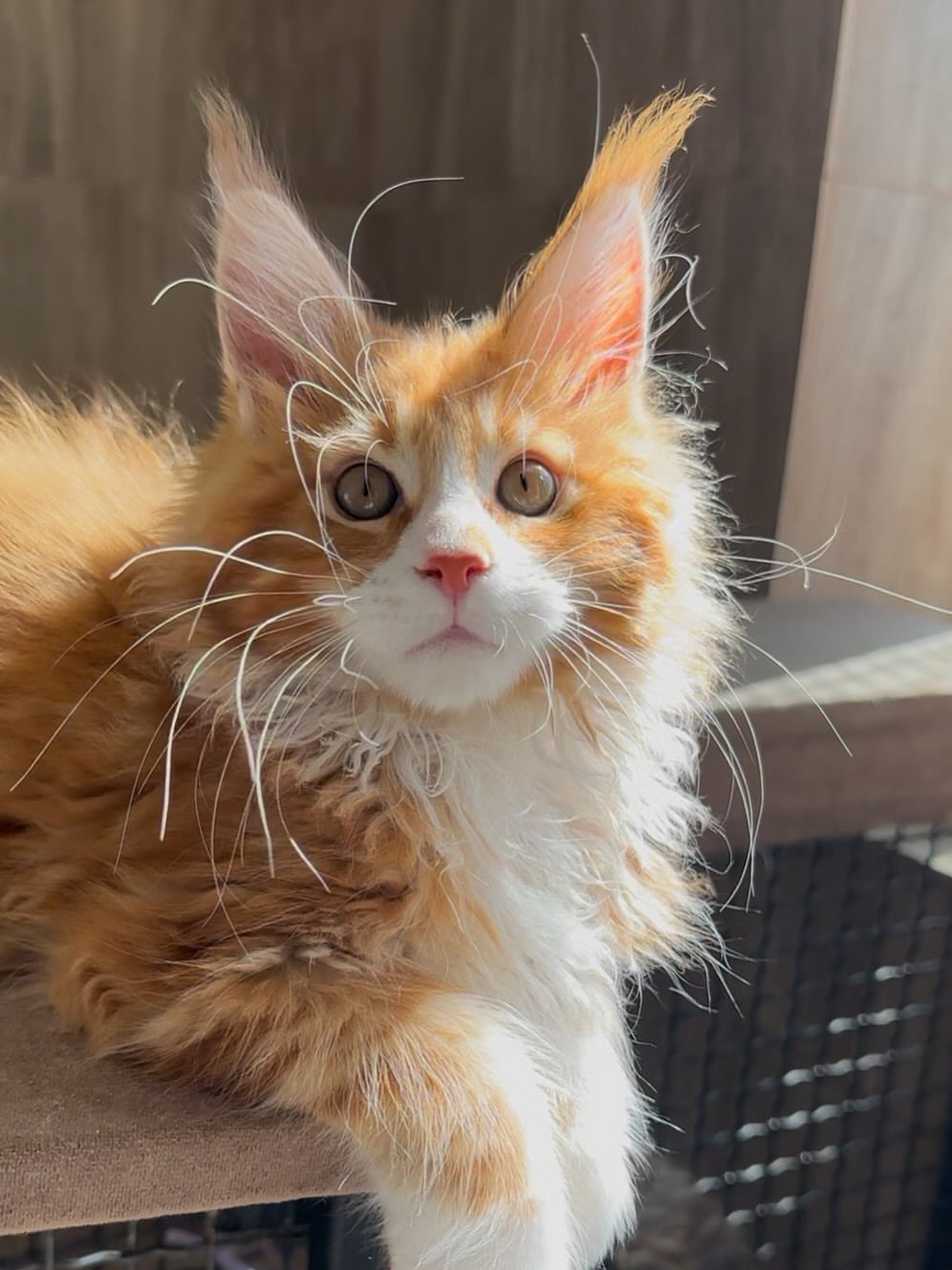
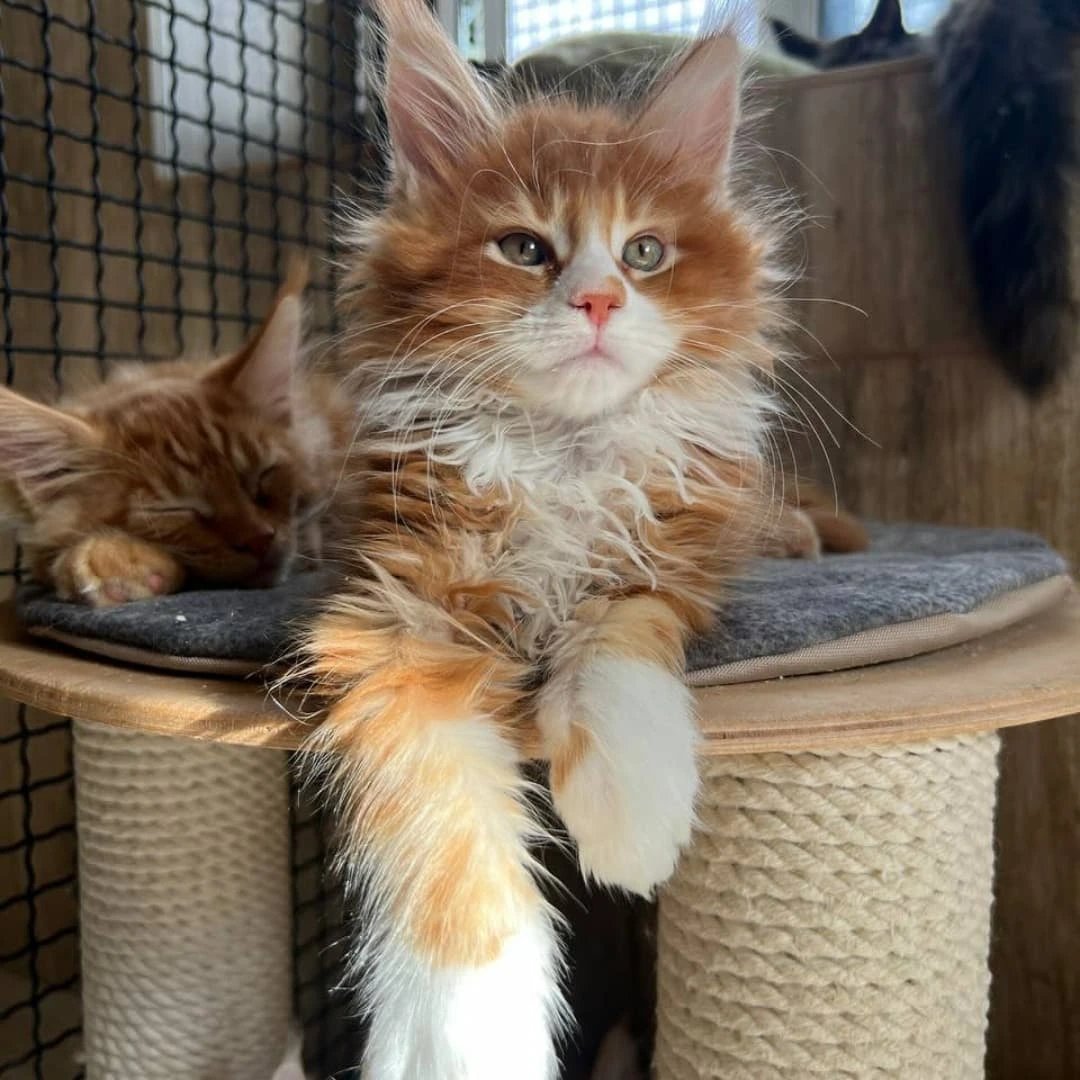
The Maine Coon cat, with its majestic appearance and gentle personality, boasts one of the most fascinating and debated histories of any cat breed. As America's native longhair cat, the Maine Coon has evolved from skilled farm mouser to beloved show cat and family companion. In this comprehensive exploration, we'll separate fact from fiction, tracing the remarkable journey of these "gentle giants" from their mysterious origins to their current status as one of the world's most popular cat breeds.
Love Maine Coon History? Own a Piece of It!
At RoyalPaws Maine Coons, we honor this breed's rich heritage by preserving their classic characteristics and wonderful temperament.
View Available KittensThe Origins: Myths and Legends
Several colorful myths attempt to explain the Maine Coon's origin, each adding to the breed's mystique and charm.
One of the most persistent myths suggests that Maine Coons resulted from matings between semi-wild cats and raccoons. This myth likely originated from the breed's bushy, ringed tail and coloration similar to that of raccoons.
Biologically impossible. Cats and raccoons cannot interbreed. The resemblance is purely coincidental and represents convergent evolution for cold weather adaptation.
Legend claims that the doomed French queen Marie Antoinette sent her prized long-haired cats to America during the French Revolution, where they bred with local short-haired cats to create the Maine Coon.
While a charming story, there's no historical evidence to support this theory. The timeline doesn't align with the breed's documented history in North America.
Some believe that Maine Coons descended from long-haired cats brought to North America by Viking explorers centuries before Columbus.
While genetically possible (and supported by some genetic studies), there's no definitive archaeological evidence. The theory remains speculative but plausible.

The Most Plausible Origin Theory
Most felinologists (cat experts) agree that Maine Coons likely developed from matings between pre-existing short-haired domestic cats in New England and long-haired cats brought overseas by European sailors, particularly from England. Seaports in Maine saw significant trade activity in the 18th and 19th centuries, and ships' cats often came ashore, breeding with local feline populations.
The Historical Timeline of Maine Coons
Farm and Ship Cats
Maine Coons established themselves as valued working cats on farms and ships throughout New England. Their hunting skills protected food stores from rodents, and their water-resistant coats suited the harsh climate.
First Written Mention
F.R. Pierce wrote about a black and white Maine Coon named "Captain Jenks of the Horse Marines" in his book "The Book of the Cat." This is among the earliest documented references to the breed.
Madison Square Garden Show
A brown tabby Maine Coon named "Cosey" won Best Cat at the first major cat show in the United States held at Madison Square Garden in New York. This victory launched the breed into popularity.
Decline in Popularity
The arrival of exotic long-haired breeds like Persians and Angoras caused Maine Coons to fall out of favor. The breed nearly disappeared except in their native New England.
Breed Revival
The Central Maine Cat Club formed to promote and protect the breed, helping to revive interest in Maine Coons through cat shows and breeding programs.
Championship Status
The Cat Fanciers' Association (CFA) granted Maine Coons championship status, officially recognizing them as a distinct breed and cementing their comeback.
State Cat of Maine
Maine Coons were designated the official state cat of Maine, honoring their historical significance to the region.
Consistent Popularity
Maine Coons consistently rank among the top three most popular cat breeds worldwide, admired for their size, intelligence, and gentle temperament.
Own a Living Piece of American Feliene History
Our Maine Coon kittens carry on the legacy of these magnificent American originals with their classic appearance and wonderful temperament.
Learn About Our Breeding ProgramDevelopment of the Breed Standard
The modern Maine Coon has been selectively bred to emphasize the characteristics that helped them survive New England winters:
| Feature | Functional Purpose | Modern Standard |
|---|---|---|
| Large, tufted paws | Snowshoes for walking on snow | Large, round, well-tufted paws |
| Long, bushy tail | Wrap around body for warmth while sleeping | Long, flowing, bushy tail |
| Water-resistant coat | Protection from snow and rain | Heavy, shaggy, water-resistant coat |
| Ruff around neck | Additional warmth for neck and chest | Distinct ruff, more developed in males |
| Lynx-like ear tufts | Protection for ear canals from cold | Lynx tips desirable but not required |
| Large, sturdy body | Body mass for heat retention | Rectangular, muscular, broad-chested body |

The Maine Coon in Popular Culture
Throughout their history, Maine Coons have captured the public imagination and appeared in various cultural contexts:
- Literature: Mentioned in early American writings and featured in modern cat literature
- Film and Television: Appeared in movies and shows, often portraying "witch's cats" or majestic felines
- Official Mascots: Several institutions and businesses use Maine Coons as mascots
- Internet Fame: Many Maine Coons have gained substantial followings on social media platforms
Preservation Efforts and Modern Breeding
Responsible breeders today work to preserve the Maine Coon's original characteristics while prioritizing health and temperament:
- Genetic Diversity: Careful breeding to maintain genetic health while preserving type
- Health Testing: Screening for common issues like hip dysplasia and HCM (hypertrophic cardiomyopathy)
- Temperament Preservation: Maintaining the gentle, friendly nature the breed is known for
- Historical Type: Some breeders focus on preserving the "original" or "traditional" Maine Coon look
Ready to Welcome a Maine Coon Into Your Home?
Our kittens come from health-tested lines with documented pedigrees, preserving the best of this magnificent breed's history.
View Our Available Kittensor
Contact Us to ReserveMaine Coon History FAQ
How did Maine Coons get their name?
The name "Maine Coon" simply refers to their geographic origin (Maine) and their resemblance to raccoons ("coon"). The name was natural given their prevalence in Maine and their raccoon-like tails. Early mentions sometimes called them "Maine Cats" or "Coon Cats."
Are Maine Coons related to Norwegian Forest Cats?
While both are large, long-haired breeds adapted to cold climates, they developed independently. Some theories suggest Viking explorers may have brought ancestors of Norwegian Forest Cats to North America, which could have contributed to the Maine Coon's development, but DNA studies show they are distinct breeds.
How did Maine Coons nearly become extinct?
In the early 20th century, the popularity of exotic imported breeds like Persians and Siamese caused interest in Maine Coons to decline dramatically. The breed survived primarily in rural areas of New England where they continued their role as farm cats. Their comeback began in the 1950s when breeders recognized the importance of preserving this American original.
What's the difference between "show" and "traditional" Maine Coons?
Show-type Maine Coons have been bred to exaggerate certain features like ear size and placement, muzzle shape, and body length to meet modern show standards. Traditional (or "classic") Maine Coons maintain characteristics closer to the original working cats of New England, with less extreme features while still conforming to the breed standard.
Conclusion: A Living American Legacy
The Maine Coon's journey from rugged New England farm cat to beloved show champion and family companion is a testament to the breed's adaptability, intelligence, and endearing personality. While their exact origins may remain partly shrouded in mystery and folklore, their place in American history is undeniable.
Today's Maine Coons carry forward the best traits of their ancestors: the hardy constitution, hunting prowess, water-resistant coat, and friendly disposition that made them valued partners on farms and ships. Their history represents a remarkable example of natural selection followed by thoughtful preservation—a true American success story in the feline world.
As we continue to cherish and preserve these magnificent cats, we honor not just a breed but a piece of American history—a living legacy that continues to capture hearts around the world with its unique combination of wild beauty and gentle temperament.